- ▾ ShakeOut Regions ▾
- Alaska
- American Samoa
- Arizona
- British Columbia
- California
- Central U.S. (AL AR IA IL IN KS KY LA MO MS NE OH OK TN)
- CNMI
- Colorado
- Guam
- Hawaii
- Idaho
- Japan
- Montana
- Nevada
- New Mexico
- New Zealand
- NorthEast U.S. (CT MA ME NH NJ NY PA RI VT)
- Oregon
- Puerto Rico
- Quebec & Eastern Ontario
- SouthEast U.S. (DC DE FL GA MD NC SC VA WV)
- Texas
- Upper MidWest U.S. (MI MN ND SD WI)
- U.S. Virgin Islands
- Utah
- Washington State
- Wyoming
- Yukon
- Other Countries


Individuals and Families
Californians must get better prepared before the next big earthquake, and practice how to protect ourselves when it happens. The purpose of the ShakeOut is to help people and organizations do both.
The boxes below provide instructions for how individuals, families, and other households (roommates, etc.) can plan their drill, tips for getting prepared, and suggestions for sharing the ShakeOut with others. With your participation, this may be the largest earthquake drill ever!
| Other ways to participate: | Who is participating? |
SHAKEOUT SPOTLIGHT
The Jessop family did their drill at home, catching their four home-schooled children off guard.
They dropped, covered and held on, and they also practiced giving medical attention, checking the utilities, and inspecting the house’s structure. They also made a list of emergency supplies they would get soon.
They feel at peace knowing exactly what to do, and now plan to participate in a drill each year.




PLAN YOUR DRILL
Today:
- Register to be counted in the ShakeOut Drill, get email updates, and more.
Between now and October 17:
- Consider what may happen when an earthquake shakes your area. Plan what you will do now to prepare, so that when it happens you will be able to protect yourself and then recover quickly.
- Talk to other people about what they have done, and encourage them to join you in getting more prepared.
- Download Audio and Video "Drill Broadcast" recordings that have been created in English and Spanish to provide instructions during your drill (Video versions have text captions).
October 17, 10:17 a.m.:
- Drop, Cover, and Hold On: Drop to the ground, take Cover under a table or desk, and Hold On to it as if a major earthquake were happening (stay down for at least 60 seconds). Practice now so you will immediately protect yourself during earthquakes! (See this page for what to do if you are in bed, outside, driving, in a tall building, or other situations.) For people with disabilities or access and functional needs, download our preparedness guide (661 KB) PDF.
- While still under the table, or wherever you are, look around and imagine what would happen in a major earthquake. What would fall on you or others? What would be damaged? What would life be like after? What will you do before the actual earthquake happens to reduce losses and quickly recover?
- (Optional) Practice what you will do after the shaking stops.
- After your drill is complete, have discussions about what was learned and incorporate these lessons into your disaster plan.
GET PREPARED
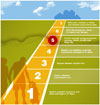
What we do now, before the earthquake, will determine what our lives will be like after. The following are key actions from the Seven Steps to Earthquake Safety which has additional things you can do to prepare.
- Visit MyHazards (California Governors Office of Emergency Services) to discover the hazards that exist in your area and learn how to reduce YOUR risk!
- Do a "hazard hunt" for items that might fall in your home during earthquakes and secure them.
- Create a personal or family disaster-preparedness plan.
- Plan for your family's specific needs (seniors, disabled, children, pets).
- Teach all household members how to use a fire extinguisher.
- Create wallet cards for each family member with essential contact information.
- Organize or refresh your emergency supply kits.
- Store at least one gallon of water per person, per day, for 3 days and ideally for 2 weeks.
- What else would you need to be on your own for up to 2 weeks?
- What would you need if you are in your car or office when the earthquake strikes?
- Identify your building's weaknesses. Ask a local earthquake retrofitting contractor for a free structural inspection of your home or building. Also, review your insurance coverage, whether home-owner or renter. Consider whether earthquake insurance is right for you.
- Create a game where everyone responds to a signal by practicing Drop Cover and Hold On. Talk to your children about what to expect during and after an earthquake.
- Enroll in a local Community Emergency Response Team (CERT) training to learn more about how to take care of yourself and your family when you are "on your own" after a disaster.
- Provide non-English speaking members of your family, neighborhood or community with written information in their language.
SHARE THE SHAKEOUT
- Invite everyone who matters to you to register for the ShakeOut. With your help this can become the largest earthquake drill in U.S. history!
- Host a ShakeOut Block Party. Invite your neighbors over for coffee and share preparedness information, exchange phone numbers, and create an inventory of special skills (search and rescue, first aid, equipment) and needs (elderly, children, pets, medication, etc.) in your community. Also, encourage everyone to register while there, especially those without internet access.
- Tell everyone to watch "Preparedness Now", a compelling film that depicts what will happen in a "big one," and other videos.
- Encourage your community, faith-based group, or employer to register for the ShakeOut as well, and to develop ShakeOut participation events.